



News
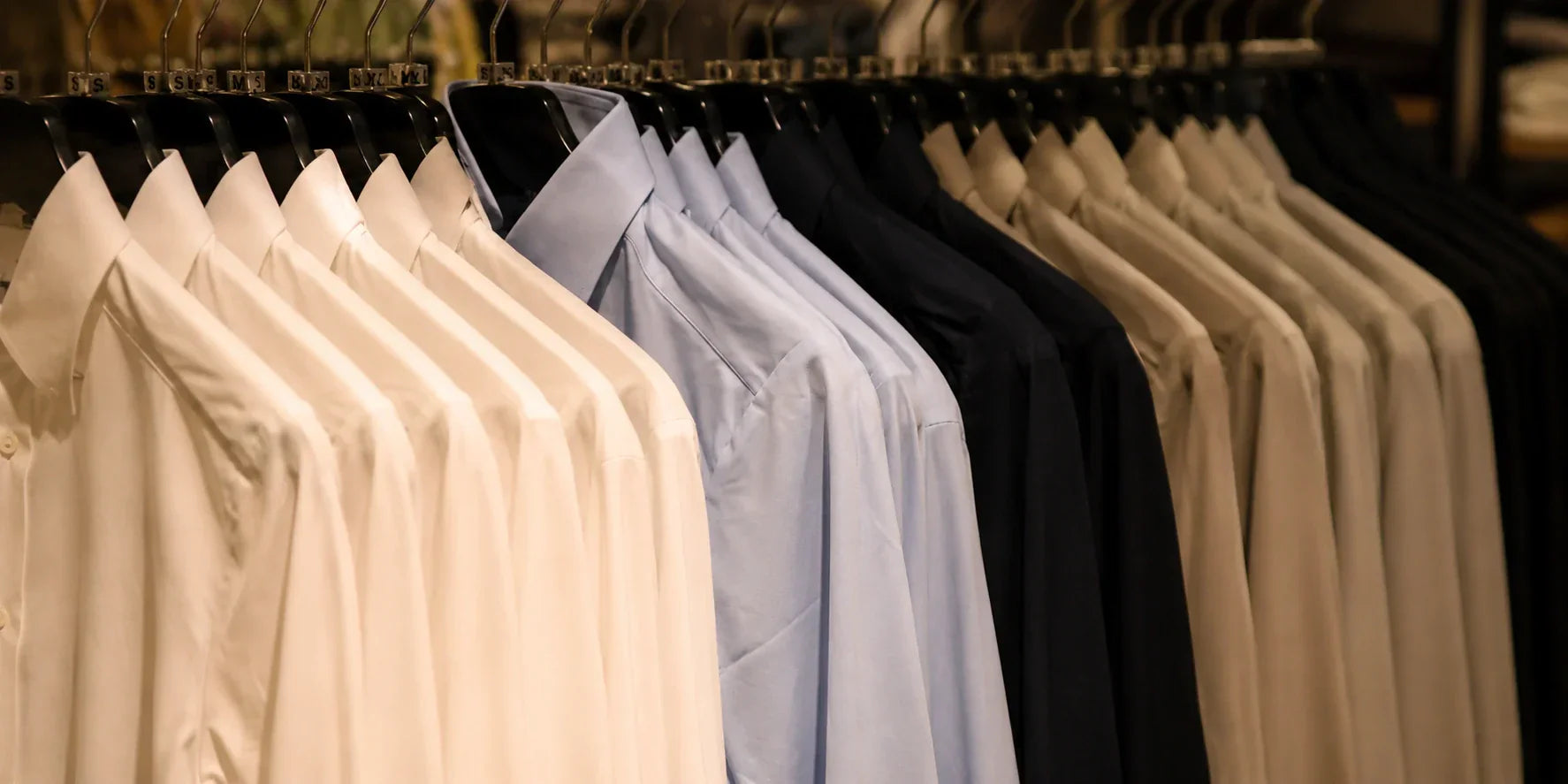

Why Product Development Determines the Success of an Apparel Brand
Most Founders Underestimate Product Development There is a moment that happens in almost every apparel project. A founder has a clear vision. The sketches are complete. Inspiration boards are organized. Fabric references have been collected. The product feels tangible enough to imagine hanging on a retail rack. Then development begins. For many first-time founders, this is where expectations collide with reality. The fashion industry often celebrates the finished product. Campaign imagery, launch announcements, sold-out collections, and runway presentations dominate the conversation. What receives far less attention is the process that happens before any of those moments become possible. Product development is where an idea becomes a real product. More importantly, it is where a concept is tested, challenged, refined, and ultimately proven. A garment becomes a product only after it can be consistently produced, fit correctly, withstand wear, and deliver the experience the customer expects. Product Development Happens in the Details It begins with decisions that most consumers never see. Fabric selection. Pattern development. Construction methods. Stitch types. Seam placements. Hardware choices. Tolerances. Fit adjustments. Even products that appear simple often contain surprising complexity. A basic knit t-shirt may require multiple rounds of development to achieve the intended drape, neckline shape, sleeve pitch, and wash. A tailored jacket can involve months of refinement before proportions, structure, and mobility feel balanced. This is why the first sample is rarely the final sample. A pattern may look correct on paper and still behave differently once cut in fabric. A fabric may appear ideal in a swatch and perform differently when assembled into a complete garment. Measurements that seem insignificant on a specification sheet can dramatically alter how a product feels on the body. Development exists to uncover those issues before they reach production. What works in theory does not always work in practice, and the refinement process helps bridge that gap. This is also why clothing brand samples play such an important role in evaluating fit, construction, and performance before moving forward with production. The Purpose of Development Is Refinement The purpose of development is not to confirm that an idea works. The purpose of development is to discover where it does not. The strongest products are rarely created through perfect initial planning. They emerge through observation and refinement. Small decisions accumulate until the garment begins to perform as intended. Each revision provides valuable insight. A fit adjustment can improve comfort. A construction change can improve durability. A material substitution can enhance both performance and cost efficiency. Over time, these refinements transform a concept into a product that is ready for the market. Why Speed Creates Risk This process often surprises founders because many industries have conditioned entrepreneurs to prioritize speed above all else. In apparel, speed without validation creates risk. Moving into production before a product has been properly developed can lead to costly inventory issues, customer dissatisfaction, quality concerns, and expensive corrections. Problems that seem minor during sampling can become significant once hundreds or thousands of units have been produced. Development may feel slower in the moment, but it is always faster than fixing mistakes at scale. The most successful brands understand this distinction. They do not view development as an obstacle between the idea and the launch. They view development as the foundation of the launch itself and a critical part of fashion brand development. Why Product Development Impacts Brand Success When consumers talk about a product fitting perfectly, feeling premium, or becoming their favorite item in a wardrobe, they are often responding to decisions made months earlier during development. Those moments are the result of careful testing, technical expertise, and a willingness to refine details that many people may never consciously notice but immediately feel when wearing the product. Strong product development helps brands reduce risk, improve quality, and create consistent customer experiences. While creativity may spark interest, development is what transforms ideas into products that can succeed in the marketplace. Customers rarely see the work that happens behind the scenes, but they experience the results every time they interact with a product. The brands that consistently deliver quality are often the ones that invested the most time refining their products before launch. Frequently Asked Questions Why is product development important for apparel brands? Product development helps ensure garments meet quality, fit, durability, and customer expectations before production begins. Why are multiple samples often required? Multiple sample rounds allow brands to refine fit, construction, fabric performance, and overall product quality before committing to production. What happens if a brand skips the development process? Skipping development can lead to fit issues, quality concerns, production delays, customer dissatisfaction, and costly corrections after launch. How do clothing brand samples support product development? Clothing brand samples help brands test materials, construction methods, fit, and performance before moving into larger production runs. The Competitive Advantage Few Brands Talk About Product development is not the glamorous side of fashion. It is rarely photographed and it does not generate headlines. Yet it remains one of the most important phases in the entire product lifecycle. Brands that invest in development tend to build stronger products, stronger reputations, and ultimately stronger businesses. Successful collections are not built solely through creativity. They are built through testing, refinement, and disciplined execution. For founders focused on fashion brand development, product development is not simply part of the process—it is the foundation for long-term growth.
Learn more
Denim Moves in All Directions: From Trends to Production
For years, denim cycled through eras of domination. The skinny reigned in the 2010s, only to be dismissed by Gen Z's oversized rebellion. But lately, the conversation has changed. There is no single silhouette leading the charge, and that may be denim's most defining trend today. Through it all, the one thing that hasn't changed is the importance of thoughtful development and skilled production. As trends evolve faster than ever, brands rely on strong clothing sourcing and manufacturing services to balance creativity with the ability to bring products to market efficiently and consistently. Not Just One Shape The rise of "denim diversity" reflects a broader cultural shift. From Levi's to Miu Miu, brands are embracing range over rigidity. Skinny jeans, once treated as a fashion relic, are quietly re-entering the conversation, while barrel, baggy, straight, and bootcut styles continue to gain momentum. This shift reflects changing consumer behavior. Rather than committing to a single trend, shoppers are prioritizing flexibility and choosing silhouettes that fit different occasions, preferences, and lifestyles. Style Rotation Unlike previous decades where one fit defined an era, today's consumer moves fluidly between silhouettes. A bootcut for the office. A barrel for dinner. Baggy for the weekend. It's a practical mix-and-match mindset that prioritizes versatility over trend loyalty. For brands, success is no longer about predicting one winning fit but offering a collection that allows consumers to move between styles with ease. Small Drops, Big Signals To stay nimble, some premium labels are testing new shapes through limited online releases and select retail partnerships. These smaller launches provide valuable customer feedback while reducing risk and avoiding unnecessary inventory. They also allow brands to gauge demand before committing to larger production runs. In a market where preferences shift quickly, flexibility has become a competitive advantage. What's Trending Now Current movement in denim includes: Bootcut styles gaining renewed attention More refined interpretations of baggy fits Barrel jeans continuing their move into the mainstream Lower rises paired with straighter legs and tailored tops Rather than replacing one another, these styles are existing side by side. The defining trend isn't a specific fit—it's choice. Why Process Shapes the Product As trend cycles accelerate, the ability to translate a silhouette into a finished product has never been more important. Design is only one part of the equation. The production process is where intention becomes visible. At Form Department, we see denim not only as a product of style evolution, but of process. Every pair begins in its raw form and is transformed through fabric selection, wash development, sampling, and production refinement. A foundational part of denim development involves evaluating: Fabric construction Wash treatments Color outcomes Fit consistency Long-term garment performance From enzyme and stone washes to vintage and acid finishes, each treatment can dramatically change the look, feel, and character of a garment. To evaluate those outcomes, we often begin with what is known as a "leg test." A single pant leg is cut, sewn, and washed before a full garment is produced. This allows teams to understand how the fabric reacts to specific treatments before committing to production. Multiple wash samples are often required before achieving the final result. This process helps refine color, preserve fabric integrity, and ensure consistency across production runs. Strong clothing sourcing and manufacturing services are not simply about making garments. They help transform design concepts into products that meet both creative and quality expectations. Value Over Volume Denim's versatility makes it a smart investment in cautious times. Consumers are increasingly choosing fewer, better pieces—styles that work across multiple settings and remain relevant beyond a single season. Quality, durability, and adaptability have become key drivers of value. As a result, brands are placing greater emphasis on thoughtful product development rather than chasing short-term trends. Our Take: Denim Is the Process At Form Department, we believe denim's new era is not just about silhouettes—it's about process. Behind every shape is a series of decisions involving fabric selection, wash testing, fit refinement, and production development. Great denim is built through testing, refinement, and thoughtful development. As brands respond to broader style preferences and faster trend cycles, the most successful collections will be grounded in intention rather than speed. Brands looking to build their brand with confidence are often better positioned to adapt to changing consumer preferences while maintaining quality and consistency. Frequently Asked Questions Why are multiple denim fits trending at the same time? Consumers are prioritizing versatility and personal style, creating demand for a wider range of silhouettes. How do denim washes affect the final garment? Wash treatments influence color, texture, appearance, and overall garment character. Why is sampling important in denim development? Sampling helps brands evaluate fit, fabric performance, and wash results before moving into full production. How do clothing sourcing and manufacturing services support denim production? They support fabric selection, wash development, sampling, production planning, and quality control throughout the process.
Learn more
From Promise to Pressure: What’s Next for Sustainable Fashion?
The Mood Has Changed The mood in Copenhagen this year was not one of celebration. The Global Fashion Summit was once a hub of bold climate commitments and industry optimism. This year, the atmosphere felt different—fewer executives, quieter panels, and more questions than answers. The reality is that fashion's sustainability movement is facing growing pressure. Economic uncertainty, shifting regulations, and changing priorities are testing commitments that once seemed firmly established. The Political Whiplash This year brought a wave of regulatory reversals. Across Europe, climate-related legislation is being softened in the name of competitiveness. In the United States, environmental initiatives have faced funding cuts and changing priorities, creating uncertainty for businesses trying to plan for the future. For brands investing in sustainability, consistency matters. When policies shift, long-term decisions become harder to make. Beyond the Green Gloss For years, sustainability has been woven into brand messaging as a symbol of modern responsibility. But without strong support systems behind those ambitions, some commitments are proving difficult to maintain. As margins tighten, lower-impact materials are being replaced and once-prominent initiatives are being scaled back. This is why sustainability cannot exist solely as a marketing message. It has to be reflected in the decisions brands make every day, including approaches to sustainable fabric sourcing and supply chain management. Holding the Line What remains? For now, many brands are maintaining the sustainability structures already in place, but fewer are launching major new initiatives. It feels less like a retreat and more like a pause. Still, the moment raises an important question: who continues to lead when the incentives become less obvious? The Call to Courage Industry leaders like Eileen Fisher continue to call for action. The message is simple: do not wait for perfect conditions. Collaboration, advocacy, and sustained pressure on policymakers remain essential. Progress has never depended solely on favorable circumstances. It depends on people willing to keep moving forward despite uncertainty. Nature Won't Wait While conversations continue, climate disruption accelerates. Wildfires, floods, and extreme weather events are already affecting supply chains, production schedules, and access to raw materials. These challenges are no longer theoretical—they are operational realities. If the cost of action feels high today, the cost of delay may be even higher tomorrow. Sustainability Starts with Proximity At Form Department, we believe proximity remains one of the most practical sustainability tools available. Manufacturing in the U.S. is not simply a logistical decision—it can also be an ethical one. Close relationships with vendors and manufacturers create stronger foundations for transparency, accountability, and responsiveness. When you're working within the same time zone—or sitting in the same room—you gain visibility into decisions that affect quality, timelines, and sustainability outcomes. That means fewer assumptions, clearer communication, and faster iteration. It also creates opportunities to verify practices firsthand rather than relying solely on reports or promises. In many cases, sustainable fabric sourcing becomes easier when brands maintain direct relationships with suppliers and production partners. Visibility creates accountability, and accountability creates stronger outcomes. Frequently Asked Questions Why is sustainability becoming more challenging for fashion brands? Economic uncertainty, changing regulations, and rising operational costs are making sustainability initiatives more difficult to maintain and expand. What is sustainable fabric sourcing? Sustainable fabric sourcing focuses on selecting materials and suppliers that support environmental responsibility, transparency, and long-term sustainability goals. How does proximity support sustainability efforts? Closer relationships with suppliers and manufacturers improve visibility, accountability, and communication throughout the production process. Can sustainability still be a competitive advantage? Yes. Consumers increasingly value transparency and responsible business practices, making sustainability an important factor in long-term brand trust. Building for the Long Term The future of sustainable fashion will not be determined by headlines alone. It will be shaped by the decisions brands make every day through their materials, partnerships, processes, and values. For founders committed to building resilient businesses, sustainability is not simply about meeting expectations. It is about creating stronger systems that can withstand change and support long-term growth. Want to build a more resilient brand? Contact our team to explore sustainability approaches that support stronger materials, better processes, and long-term brand growth.
Learn more
Manufacturing in the U.S.: Still a Hurdle—Or a Missed Opportunity?
A Familiar Critique Last week, Business of Fashion published a piece exploring the continued challenges of manufacturing apparel in the United States. Rising labor costs, limited infrastructure, and outdated perceptions of scale remain common talking points. And while those hurdles are real, they do not tell the whole story. Too often, conversations about domestic manufacturing focus solely on what it lacks compared to overseas production. What gets overlooked is the value it can create for brands focused on fashion brand development, quality, transparency, and long-term growth. Reframing the Narrative At Form Department, we believe it is time for a reframing. Yes, offshore production offers cost advantages. But what it often lacks is visibility, communication, and control. With domestic development, the payoff is proximity: face-to-face collaboration, faster iteration, and a clearer understanding of how products are actually being made. For founders investing in fashion brand development, that level of involvement can be a significant advantage. The closer you are to the process, the easier it becomes to make informed decisions and maintain consistency as your brand grows. The Value of Proximity In a time where transparency is more than a buzzword, being close to your product matters. When production is just a drive or a short flight away, teams can see and solve problems in real time. Fit adjustments happen faster. Materials can be tested and approved in person. A production issue does not derail a season- it becomes a Tuesday meeting. This kind of responsiveness is harder to achieve when time zones, language barriers, and transit delays stand between the problem and the solution. In our experience, many product issues become easier to solve when brands have direct access to the people and facilities involved in production. Small decisions made early often prevent larger problems later. Founders Leading with Purpose What we have seen is a growing number of founders launching smarter, smaller, and with purpose- turning to U.S. based resources not out of convenience, but conviction. They are building lean product lines, staying closer to their customers, and investing in supply chains they can understand and stand behind. These are not just products; they are proof points of intention. For many emerging brands, success is no longer defined by producing the highest volume possible. It is about creating products that align with their values and building a stronger foundation for sustainable growth. Meeting Consumer Expectations There is also a generational shift in values. Today's consumers are more discerning. They want to know who made their clothes, how they were treated, and what impact the process had on the planet. Domestic manufacturing allows brands to tell that story with greater clarity and confidence. When a brand can speak directly about its production process, it creates a level of authenticity that customers increasingly value. That transparency has become an important part of modern fashion brand development, helping brands build trust alongside their products. Yes, It Takes Work Of course, it takes work. The U.S. manufacturing ecosystem is not as plug-and-play as some overseas counterparts. It requires building relationships- often across small and specialized factories. It may mean smaller runs, higher price points, and more hands-on management. But what you gain is often a stronger sense of partnership. Vendors become collaborators, not just contractors, and that relationship can contribute to better outcomes over time. The process may be more involved, but involvement is often what allows brands to maintain higher standards and make more strategic decisions. Better Products Through Integration This approach can also lead to better products. We have seen brands elevate quality simply by being in the room: watching the first cut, holding the fabric, and talking through each stitch. Many emerging brands leverage Create Custom Products services to maintain greater oversight throughout development, sampling, and production. Those moments of direct collaboration can influence everything from fit and construction to customer satisfaction. When development and production are integrated rather than siloed, creativity and consistency thrive. Teams can move faster, communicate more effectively, and make adjustments before small issues become expensive mistakes. A Strategic Choice The article was not wrong- but it was incomplete. Manufacturing in the U.S. may not be easy, but for brands focused on craftsmanship, transparency, and long-term value, it is a path worth considering. It is not about nostalgia or nationalism. It is about strategy. For some brands, domestic production will never be the lowest-cost option. But for those focused on quality, accountability, and thoughtful fashion brand development, it can offer advantages that extend far beyond the factory floor. Frequently Asked Questions Why do some apparel brands choose U.S. manufacturing? Many brands value the increased visibility, communication, and quality control that come with working closer to their production partners. What are the benefits of manufacturing apparel in the United States? Domestic manufacturing can offer faster collaboration, greater transparency, easier oversight, and stronger relationships with suppliers and factories. Does U.S. manufacturing help improve product quality? It can. Being closer to production often allows brands to identify issues earlier, review samples more efficiently, and make adjustments throughout the process. Is domestic manufacturing a good option for emerging fashion brands? For some brands, yes. While costs may be higher, the added control and direct involvement can support stronger product development and long-term brand growth. Our Role in the Process In our work, we guide founders through these decisions every day. We map costs, timelines, and supplier options. We introduce the right partners. And we advocate for approaches that support both business health and brand integrity. Because choosing domestic does not have to mean going it alone. An Opportunity Worth Taking So, is U.S. manufacturing a hurdle? In some ways, yes. But for those willing to engage with its complexity, it is also an opportunity- to build differently, tell a better story, and stand behind every product that leaves the line. The future of manufacturing in the U.S. will not be defined solely by cost comparisons. It will be shaped by the brands that recognize its value and choose to use it as a strategic advantage.
Learn more