



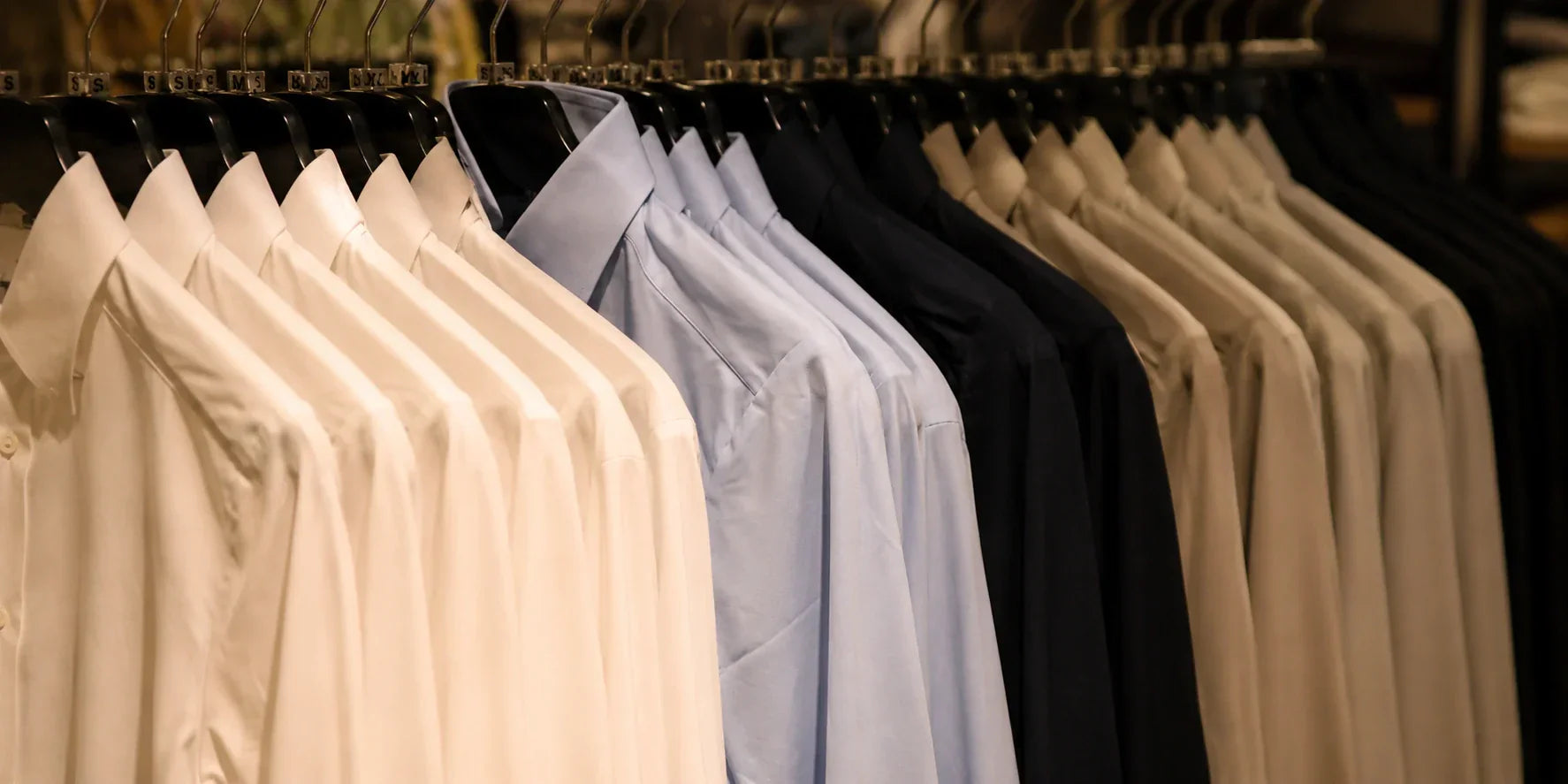
Production Is Where Strategy Becomes Reality
For many emerging brands, production feels like the finish line.
The samples have been approved. Materials have been selected. Costs have been reviewed. Months of development work have finally resulted in a product that feels ready for the market.
At this stage, it can be tempting to view production as a relatively straightforward process. The product is complete. The difficult decisions have already been made. Now it simply needs to be manufactured.
In reality, production introduces an entirely different set of challenges.
Why Production Is Different from Development
Developing a single sample and producing hundreds or thousands of units are fundamentally different exercises. A sample is created with an extraordinary level of attention. Adjustments can be made throughout the process. Construction details can be evaluated in real time. If an issue is discovered, it can be corrected immediately.
Production does not offer that same flexibility.
Once materials have been ordered, markers have been created, fabric has been cut, and sewing has begun, changes become significantly more difficult and expensive to implement. This is one of the reasons experienced brands place so much emphasis on development. Production is not where a product should be figured out. It is where a product should be repeated consistently and efficiently.
A customer does not purchase a prototype. They purchase a production garment. Whether a brand is producing one hundred units or ten thousand, every customer expects the product to fit, perform, and feel like the version that was approved during development.
Preparation Determines Production Success
Achieving that level of consistency requires far more preparation than many founders initially realize.
Production begins long before garments enter a sewing line. It begins with accurate patterns, approved materials, clear construction details, finalized measurements, and realistic expectations regarding lead times and capabilities. Every decision made during development influences what happens on the factory floor.
When these elements are properly established, production often appears deceptively simple from the outside. Materials arrive. Fabric is cut. Components are assembled. Quality control checks are completed. Finished units are packed and shipped.
What remains invisible is the amount of preparation that made that process possible.
When production challenges arise, they are frequently traced back to decisions that occurred much earlier. A fabric may behave differently than anticipated when produced at scale. Construction details that seemed minor during sampling may create inefficiencies during manufacturing. A fit issue that appeared manageable on a single sample can become a much larger concern when multiplied across an entire production run.
For this reason, successful production is rarely the result of reacting quickly to problems. More often, it is the result of identifying potential issues before manufacturing begins.
Factory Selection Is About More Than Cost
This is also why factory selection should be viewed as more than a pricing exercise.
Many founders begin their search for manufacturing partners by comparing costs. While pricing is undoubtedly important, successful custom clothing manufacturing services involve much more than finding the lowest unit price.
Technical expertise, communication, quality control processes, production capacity, and category specialization all play a significant role in the final outcome. A factory that excels at knit activewear may not be the ideal partner for tailored outerwear. Likewise, a facility built for large production volumes may not be suited for highly detailed specialty products.
The strongest manufacturing relationships are built around alignment rather than simply price. The factory understands the product. The brand understands the factory's capabilities. Expectations are clearly established before production begins. When that alignment exists, production becomes far more predictable.
Why Consistency Matters to Customers
Consumers rarely think about production when purchasing a garment.
What they notice is whether the garment fits correctly, whether the fabric feels as expected, and whether the product continues to perform after repeated wear.
By the time a product reaches a customer, production is already complete. Yet many of the factors that shape how that customer perceives the brand were determined during those weeks on the factory floor.
Strong custom clothing manufacturing services help ensure products remain consistent from one production run to the next. Consistency builds trust, encourages repeat purchases, and supports long-term growth.
Frequently Asked Questions
Why is apparel production different from product development?
Product development focuses on creating and refining a product, while production focuses on manufacturing that product consistently and efficiently at scale.
Why do production issues occur?
Production challenges often stem from material performance, construction methods, communication gaps, or decisions made earlier during development.
How important is factory selection?
Factory selection plays a major role in product quality, consistency, communication, and overall manufacturing success.
What should brands look for in a manufacturing partner?
Brands should evaluate technical expertise, production capabilities, quality control processes, communication, and experience within their product category.
The Value of Repeatable Outcomes
The brands that recognize the complexity of production tend to approach it differently. They invest more heavily in preparation, prioritize consistency, and understand that manufacturing is not simply about making products—it is about creating repeatable outcomes.
In an industry where reputation is built one product at a time, that distinction matters. For founders preparing to launch a clothing brand, understanding production is not just about getting products made. It is about creating a process that consistently delivers quality, builds customer trust, and supports long-term growth.


