



News
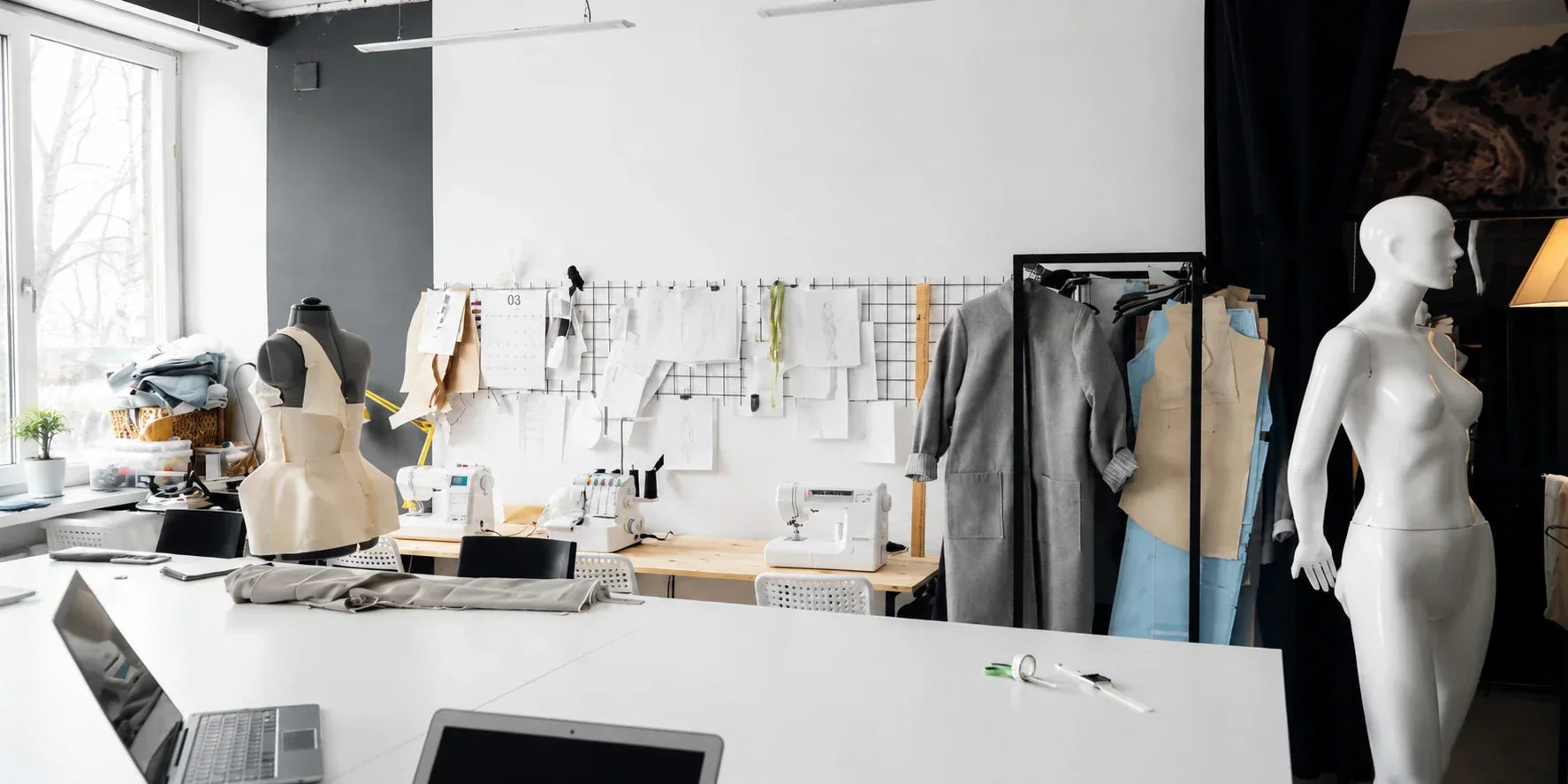

Manufacturing in the U.S.: Still a Hurdle—Or a Missed Opportunity?
A Familiar Critique Last week, Business of Fashion published a piece exploring the continued challenges of manufacturing apparel in the United States. Rising labor costs, limited infrastructure, and outdated perceptions of scale remain common talking points. And while those hurdles are real, they do not tell the whole story. Too often, conversations about domestic manufacturing focus solely on what it lacks compared to overseas production. What gets overlooked is the value it can create for brands focused on fashion brand development, quality, transparency, and long-term growth. Reframing the Narrative At Form Department, we believe it is time for a reframing. Yes, offshore production offers cost advantages. But what it often lacks is visibility, communication, and control. With domestic development, the payoff is proximity: face-to-face collaboration, faster iteration, and a clearer understanding of how products are actually being made. For founders investing in fashion brand development, that level of involvement can be a significant advantage. The closer you are to the process, the easier it becomes to make informed decisions and maintain consistency as your brand grows. The Value of Proximity In a time where transparency is more than a buzzword, being close to your product matters. When production is just a drive or a short flight away, teams can see and solve problems in real time. Fit adjustments happen faster. Materials can be tested and approved in person. A production issue does not derail a season- it becomes a Tuesday meeting. This kind of responsiveness is harder to achieve when time zones, language barriers, and transit delays stand between the problem and the solution. In our experience, many product issues become easier to solve when brands have direct access to the people and facilities involved in production. Small decisions made early often prevent larger problems later. Founders Leading with Purpose What we have seen is a growing number of founders launching smarter, smaller, and with purpose- turning to U.S. based resources not out of convenience, but conviction. They are building lean product lines, staying closer to their customers, and investing in supply chains they can understand and stand behind. These are not just products; they are proof points of intention. For many emerging brands, success is no longer defined by producing the highest volume possible. It is about creating products that align with their values and building a stronger foundation for sustainable growth. Meeting Consumer Expectations There is also a generational shift in values. Today's consumers are more discerning. They want to know who made their clothes, how they were treated, and what impact the process had on the planet. Domestic manufacturing allows brands to tell that story with greater clarity and confidence. When a brand can speak directly about its production process, it creates a level of authenticity that customers increasingly value. That transparency has become an important part of modern fashion brand development, helping brands build trust alongside their products. Yes, It Takes Work Of course, it takes work. The U.S. manufacturing ecosystem is not as plug-and-play as some overseas counterparts. It requires building relationships- often across small and specialized factories. It may mean smaller runs, higher price points, and more hands-on management. But what you gain is often a stronger sense of partnership. Vendors become collaborators, not just contractors, and that relationship can contribute to better outcomes over time. The process may be more involved, but involvement is often what allows brands to maintain higher standards and make more strategic decisions. Better Products Through Integration This approach can also lead to better products. We have seen brands elevate quality simply by being in the room: watching the first cut, holding the fabric, and talking through each stitch. Many emerging brands leverage Create Custom Products services to maintain greater oversight throughout development, sampling, and production. Those moments of direct collaboration can influence everything from fit and construction to customer satisfaction. When development and production are integrated rather than siloed, creativity and consistency thrive. Teams can move faster, communicate more effectively, and make adjustments before small issues become expensive mistakes. A Strategic Choice The article was not wrong- but it was incomplete. Manufacturing in the U.S. may not be easy, but for brands focused on craftsmanship, transparency, and long-term value, it is a path worth considering. It is not about nostalgia or nationalism. It is about strategy. For some brands, domestic production will never be the lowest-cost option. But for those focused on quality, accountability, and thoughtful fashion brand development, it can offer advantages that extend far beyond the factory floor. Frequently Asked Questions Why do some apparel brands choose U.S. manufacturing? Many brands value the increased visibility, communication, and quality control that come with working closer to their production partners. What are the benefits of manufacturing apparel in the United States? Domestic manufacturing can offer faster collaboration, greater transparency, easier oversight, and stronger relationships with suppliers and factories. Does U.S. manufacturing help improve product quality? It can. Being closer to production often allows brands to identify issues earlier, review samples more efficiently, and make adjustments throughout the process. Is domestic manufacturing a good option for emerging fashion brands? For some brands, yes. While costs may be higher, the added control and direct involvement can support stronger product development and long-term brand growth. Our Role in the Process In our work, we guide founders through these decisions every day. We map costs, timelines, and supplier options. We introduce the right partners. And we advocate for approaches that support both business health and brand integrity. Because choosing domestic does not have to mean going it alone. An Opportunity Worth Taking So, is U.S. manufacturing a hurdle? In some ways, yes. But for those willing to engage with its complexity, it is also an opportunity- to build differently, tell a better story, and stand behind every product that leaves the line. The future of manufacturing in the U.S. will not be defined solely by cost comparisons. It will be shaped by the brands that recognize its value and choose to use it as a strategic advantage.
Learn more